
Kuldeep Singh Sengar’s Life Sentence Suspended: Legal Flaws Exposed
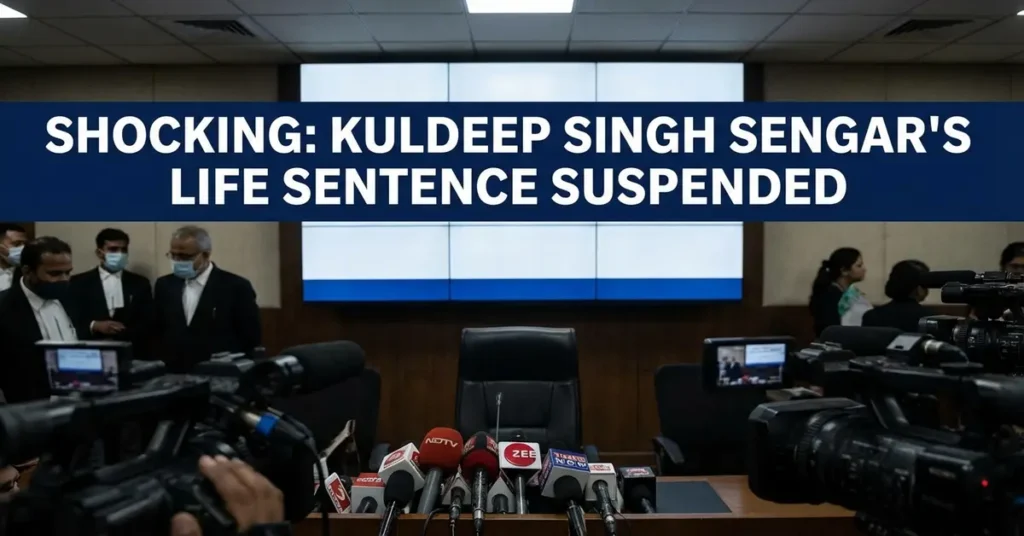
The recent suspension of Kuldeep Singh Sengar’s life sentence in the Unnao rape case has sent shockwaves through the legal community and the public alike. This controversial decision raises serious questions about the integrity of the judicial process and the protection of victims in sexual assault cases.
On December 23, 2025, the Delhi High Court granted bail to Sengar, citing a narrow interpretation of the law that has been widely criticized as legally flawed. The court ruled that Sengar, an MLA, does not qualify as a public servant under the POCSO Act, which is essential for the application of aggravated sexual assault charges. This interpretation has sparked outrage among legal experts and activists who argue that it undermines the very essence of the law designed to protect vulnerable individuals.
According to legal analysts, the High Court’s reasoning fails to consider the broader implications of Sengar’s position of trust and authority over the victim. The trial court had previously emphasized this aspect, leading to a life sentence under IPC Section 376(2)(f) and POCSO Section 5(c). By dismissing these critical elements, the High Court’s decision appears to trivialize the severity of the crime.
Public Outcry and Legal Implications
The suspension of Sengar’s life sentence has ignited widespread protests across India, with activists and citizens expressing their outrage at what they perceive as a dangerous precedent. The survivor, who has bravely fought for justice, described the bail as a “death sentence” for her family, highlighting the emotional toll this decision has taken on victims of sexual violence.
Legal experts argue that the High Court’s ruling not only jeopardizes the safety of the survivor but also threatens public confidence in the judicial system. The CBI has announced plans to challenge this suspension in the Supreme Court, emphasizing the need for accountability in cases involving powerful individuals. As noted by legal commentators, the implications of this case extend beyond Sengar, potentially affecting future cases involving sexual offenses.
Furthermore, the High Court’s decision raises critical questions about the interpretation of the POCSO Act. The law was designed to protect minors from sexual exploitation, and the argument that an MLA does not fall under the definition of a public servant contradicts the spirit of the legislation. This narrow interpretation could lead to similar cases where offenders exploit legal loopholes to evade justice.
Future of POCSO and Victim Rights
The ongoing legal battle surrounding Sengar’s case is poised to set significant precedents for the future of the POCSO Act and the rights of victims in India. As the Supreme Court prepares to hear the CBI’s appeal, the outcome will likely influence how sexual offenses are prosecuted and the protections afforded to survivors.
In light of the public outcry, there are calls for legislative amendments to explicitly define legislators as public servants under the POCSO Act. This change could help close the loophole that Sengar’s defense has exploited, ensuring that individuals in positions of power are held accountable for their actions.
As the legal community and the public await the Supreme Court’s decision, the case of Kuldeep Singh Sengar serves as a stark reminder of the ongoing struggle for justice in sexual assault cases. The implications of this ruling will resonate far beyond the courtroom, impacting the lives of countless survivors seeking justice in a system that must prioritize their safety and rights.